

The best compact keyboard for writers balances quiet keys, comfort, smart layout, and reliable daily typing.
Picture a small desk, a warm cup of coffee, and a blank page waiting for your next idea. A large keyboard can crowd your mouse, laptop, or notebook, while a poor travel keyboard can make every sentence feel like work. The right compact keyboard gives your hands room to move without taking over your desk. I tested the main traits writers need most, including key feel, noise, connection, layout, size, and long-session comfort. These five models suit different writing styles, from mobile work to steady home office use.

ProtoArc XK04 Foldable Compact Keyboard…
Pocket-Sized Everyday Carry Design: Ultra-compact two-fold bluetooth keyboard at just 7.8 oz folds into a small form with premium PU leather cover, making it the lightweight travel companion for typing…
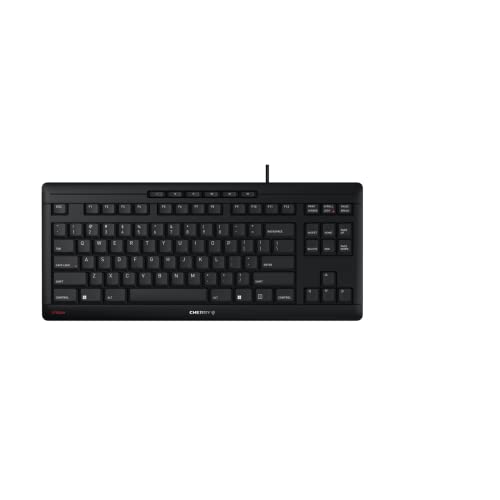
Cherry Stream Wired Keyboard Without…
High-quality wired keyboard without numeric keypad: Flat, reliable, and whisper-quiet – awarded the globally recognized GS mark (“Tested Safety”) Space-saving design: Without the number pad, mouse and keyboard are closer…
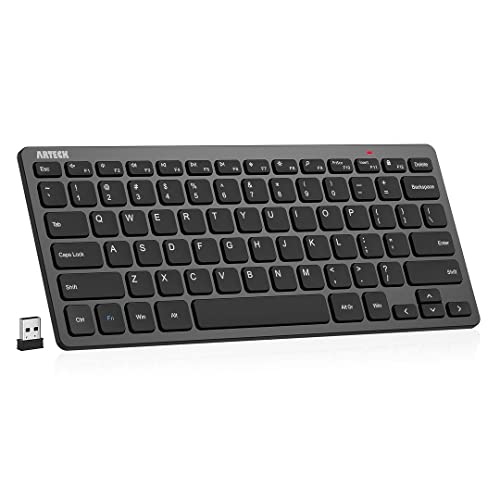
Arteck 2.4G Wireless Keyboard Ultra…
Easy Setup: Simply insert the nano USB receiver (stored inside at the back of the keyboard) into your computer and use the keyboard instantly. Compact design: Scissors X structure gives…
ProtoArc XK04 Foldable Keyboard

The ProtoArc XK04 is made for writers who move often. Its foldable design helps it fit in a work bag, drawer, or travel case with little fuss. The compact shape leaves more room for a tablet, phone, or small mouse. I like this style of keyboard for short trips, coffee shop work, and writing in places where a full desk setup will not fit.
The foldable frame is the main reason to consider this model. It gives mobile writers a more natural typing surface than a phone screen or tiny touch keyboard. The black finish also looks clean and simple in a shared work space. Keep in mind that foldable keyboards often trade some key spacing and firmness for portability, so this model suits mobile writing better than heavy, all-day desktop typing.
Pros:
- Foldable design packs well for travel
- Works well with phones and tablets
- Frees desk space in small work areas
- Useful for notes, drafts, email, and light editing
- Light, simple shape is easy to carry
- Good choice for writers who work in more than one place
Cons:
- Foldable hinges may feel less solid than a fixed frame
- Compact spacing can take time to learn
- Not the best choice for writers who want a full-size number pad
My Recommendation
I recommend the ProtoArc XK04 to students, travel writers, remote workers, and anyone who drafts on a tablet. It is especially useful when your writing life moves between a kitchen table, train seat, library, and hotel room. The foldable build acts like a small bridge between mobile devices and real touch typing. If portability is your top need, this model deserves a close look as a Best Compact Keyboard for Writers.
This keyboard offers strong value for writers who dislike carrying bulky gear. It may not replace a firm desktop keyboard for a long novel session, but it can make mobile writing far easier. Check the current listing for device support, layout details, and availability before ordering.
Cherry Stream Compact TKL Keyboard
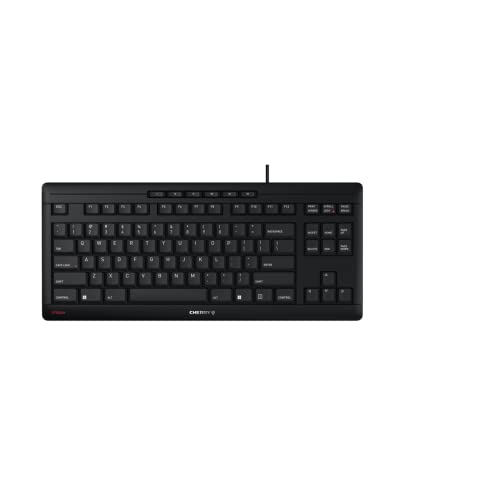
The Cherry Stream is a wired tenkeyless keyboard built for writers who want a stable desk tool without a number pad. Its TKL layout keeps the main letter keys, function row, arrow keys, and navigation controls while cutting the extra numeric block. That change saves useful space on a narrow desk. It also lets your mouse sit closer to your hands, which can make a long workday feel less cramped.
A wired connection brings a calm, direct feel to a writing setup. You do not need to manage batteries, pair a device, or wonder if a wireless signal will drop. The Stream design is a practical fit for home offices, school desks, and shared work areas. Writers who value simple setup may find this one more dependable than a feature-heavy wireless model.
Pros:
- Tenkeyless layout saves desk space
- Wired connection needs no battery charging
- Stable fit for long writing sessions
- Keeps arrow and navigation keys
- Good mouse space for small desks
- Simple setup suits home and office computers
Cons:
- Wire limits flexible desk placement
- No number pad for frequent data entry
- Less convenient for tablets and mobile devices
My Recommendation
The Cherry Stream is best for writers who work at one main computer and want a compact keyboard with a familiar layout. It suits copywriters, students, editors, and office users who still need arrow and navigation keys. I would choose it over a tiny mini keyboard for long essays because the TKL layout keeps more useful controls within reach. For a quiet, stable desk setup, it is a serious Best Compact Keyboard for Writers contender.
The value here comes from focus rather than flashy extras. A wired TKL keyboard has fewer parts to manage and gives you a clean path from thought to text. It is a strong pick for a permanent writing desk, though mobile writers should look at the ProtoArc instead. Product availability and included connection details can change, so review the Amazon listing before checkout.
Arteck Ultra-Slim Wireless Keyboard

The Arteck ultra-slim keyboard focuses on clean lines and easy desk use. Its compact body can sit in front of a desktop monitor, laptop, smart TV, or other compatible computer setup. A 2.4G wireless connection helps remove one cable from your desk. For writers, that open space can make a small workstation feel less like a crowded control panel.
Media hotkeys add convenience when you listen to music, watch a tutorial, or take a short break between drafts. The slim profile also makes the keyboard easy to move from a desk to a shelf or lap table. I see this model as a good middle ground between a basic office board and a travel keyboard. It is more desk-friendly than a foldable model, yet less bulky than many full-size options.
Pros:
- Ultra-slim body looks neat on a small desk
- 2.4G wireless connection reduces cable clutter
- Media hotkeys help control common functions
- Works with a range of compatible computer devices
- Easy to move around a home office
- Useful for writing, browsing, and light media work
Cons:
- Wireless use requires battery care
- May feel too flat for users who prefer tall keys
- Compatibility may vary by device and operating system
My Recommendation
I recommend the Arteck to writers who want a neat wireless keyboard for a home office or mixed-use desk. It fits bloggers, students, and remote workers who write, browse, and control media from the same chair. The slim build keeps your work area clear without forcing you into the very small layout of a pocket keyboard. If you want a clean, affordable Best Compact Keyboard for Writers for everyday desk use, this is a sensible option.
Its strongest feature is balance. You get wireless freedom, a compact body, and media controls without moving to a complex mechanical setup. I would select it for a laptop dock or monitor station, but I would check battery details and device support first. Like any wireless keyboard, it works best when you keep its receiver and power needs in mind.
TECKNET Mini Wireless Keyboard

The TECKNET mini wireless keyboard is aimed at users who want a small board with useful media controls. Its compact size works well beside a laptop, desktop screen, smart TV, or small home office setup. The 2.4G wireless connection gives you room to shift the keyboard when you change posture. That freedom can help writers move from desk work to relaxed note taking without dragging a cable along.
The stated 12-month battery life is a major attraction for people who dislike frequent charging or battery swaps. Actual run time can vary with use, battery condition, and other factors, but the long-life design supports low-maintenance work. The small frame may take a few writing sessions to master if you are used to a wide keyboard. Once your fingers learn the layout, it can serve well for drafts, messages, research notes, and daily computer tasks.
Pros:
- Small body fits crowded work areas
- Wireless design supports flexible seating
- Media hotkeys add quick control
- Long stated battery life reduces upkeep
- Useful for computers and compatible smart TVs
- Good budget-friendly choice for basic writing
Cons:
- Mini layout may feel tight for large hands
- No separate number pad
- 2.4G wireless use may need a suitable USB port
My Recommendation
The TECKNET is best for budget-minded writers who need a simple wireless keyboard in a tight space. It is a good fit for dorm rooms, small apartments, casual home offices, and living room workstations. I would also consider it for writers who switch between typing and media control throughout the day. Among compact wireless options, it offers the practical mix many people want from the Best Compact Keyboard for Writers.
This keyboard earns its place through ease and low upkeep. It does not aim to provide the deep feel of a premium mechanical board, but it covers common writing needs with little fuss. Choose it when size, wireless use, and battery life matter more than advanced customization. Confirm the receiver and operating system requirements on the current listing before buying.
Rii RK907 Slim Wired Keyboard

The Rii RK907 is an ultra-slim wired keyboard for Mac and PC users who want a basic, space-saving tool. Its USB connection keeps setup simple and avoids the need for wireless pairing. The slim profile can fit in front of a monitor or laptop stand without making the desk feel heavy. For writers, this creates a clean space where the screen, keyboard, and notes can work together.
This model is a practical choice for light to moderate typing, school work, email, and home office tasks. The wired format also makes it useful for a fixed workstation where you do not need to move the keyboard often. Its compact design may appeal to users who prefer a low-profile board over a taller, more traditional shape. Before purchase, check the current listing for connector details and operating system notes.
Pros:
- Ultra-slim form saves desk space
- USB connection offers simple setup
- No battery or wireless pairing to manage
- Works with compatible Mac and PC setups
- Light design is easy to reposition
- Good fit for basic writing and office tasks
Cons:
- Wired design limits placement freedom
- Low-profile keys may not suit every touch typist
- Compact layout may omit some full-size controls
My Recommendation
The Rii RK907 is best for writers who want a low-cost wired keyboard with a slim footprint. It fits a student desk, shared office, secondary computer, or home setup where simple plug-in use matters. I would choose it for everyday notes and short to medium writing sessions, especially when wireless features are not needed. It is a straightforward Best Compact Keyboard for Writers for shoppers who value a small body and easy connection.
Its value comes from doing the basics without adding extra steps. You do not need to charge it or search for a wireless receiver, which can make a fixed desk feel more dependable. It may not satisfy users seeking rich key feedback or premium build quality, but it remains a useful compact tool. Review the current Amazon page for compatibility and included cable information.
How to Choose the Best Compact Keyboard for Writers
A compact keyboard can save space, but small does not always mean comfortable. Writers press the same keys thousands of times during a long project. A keyboard that looks neat may still cause strain if the layout feels cramped or the keys demand too much force. I always judge a writing keyboard by how well it disappears during use.
Choose the Right Keyboard Size
Compact keyboards come in several layouts. A tenkeyless, or TKL, design removes the number pad but keeps the function row, arrow keys, and many navigation keys. This layout often gives writers the best mix of size and comfort. It leaves more room for a mouse without making the main typing area feel too small.
Mini keyboards remove even more keys. They may combine functions or place controls behind a function key. This design saves space and works well for travel, but it can slow writers who use Home, End, Page Up, Page Down, or dedicated arrow keys often. If you write long pieces, check the key map before you buy.
Pay Attention to Key Feel
Key feel shapes the whole writing experience. Low-profile keys can feel quick and light, much like a laptop keyboard. Taller keys may give your fingers a clearer target and more travel. Neither style wins for every writer, so I suggest matching the keyboard to the feel you already enjoy.
Quiet keys help in bedrooms, libraries, offices, and shared rooms. Loud clicks can feel fun at first, but they may bother someone nearby during a long writing session. A soft, steady key press often helps the keyboard fade into the background. That is exactly what I want when an idea is moving fast.
Check the Connection Type
Wired keyboards offer simple, direct use. They do not need charging, and they usually work as soon as you connect them to a compatible port. This makes a wired model a good choice for a main desk. The trade-off is a cable that can limit where you place the keyboard.
Wireless keyboards create a cleaner desk and let you change your sitting position. A 2.4G model often uses a USB receiver, while some other keyboards use Bluetooth. Check your computer, tablet, or phone before buying. A keyboard can be excellent and still fail to fit your device if the connection does not match.
Look for a Comfortable Layout
Writers need the letter keys to feel natural. The placement of Backspace, Enter, Shift, and the arrow keys also matters. These keys guide edits and movement through a document. A strange layout can interrupt your train of thought like a pebble in a shoe.
Pay close attention to the right Shift key and the bottom row. Some small keyboards reduce or move these keys to save room. That may not matter for short messages, but it can matter during a long article or manuscript. I recommend checking an image of the full layout before ordering.
Consider Desk Space and Posture
The best compact keyboard for writers should leave enough room for your mouse and writing notes. It should also sit at a height that keeps your wrists relaxed. A keyboard that is too high can bend the wrists upward. A board that is too flat may feel better to some users, but not all.
Use the keyboard with a chair and screen position that support a neutral posture. Keep your shoulders loose and avoid reaching far for the mouse. A small keyboard can help because it brings your hands closer together. Still, no keyboard can fix a desk that is too high or a screen that sits too low.
Decide Which Features Matter
Media keys are useful if you control music or video while you work. They are less important if you want the cleanest possible writing tool. Battery life matters on wireless models, while cable length matters on wired ones. Backlighting can help in dim rooms, but it may add cost or use more power.
Do not pay for features you will not use. A writer often benefits more from reliable keys and a familiar layout than from bright lights or complex software. I prefer a keyboard that makes the first draft easy. Extras should support that goal, not distract from it.
Compact Keyboard Layouts Compared
A TKL keyboard is often the safest choice for writers who want compact size without a major learning curve. It keeps many controls that editors and coders use. It also gives your mouse more room. The Cherry Stream represents this kind of practical layout in this guide.
A mini keyboard saves more space than a TKL model. The TECKNET and ProtoArc choices suit people who value a smaller bag or a less crowded surface. The cost is a tighter key layout and fewer dedicated controls. Mini boards work best when portability matters more than maximum comfort.
An ultra-slim keyboard can feel familiar to laptop users. The Arteck and Rii models offer a flat, clean shape for desks and small work areas. These boards can be easy to move, but their low profile may not suit writers who like deeper key travel. Your own typing habit should guide the choice.
Wired vs. Wireless Keyboards for Writing
Wired keyboards remain a strong choice for writers who want a set-and-forget desk. They start without pairing and do not stop because a battery ran low. They also tend to work well for a computer that stays in one place. The Cherry Stream and Rii RK907 show why wired boards still have a place in modern writing setups.
Wireless keyboards make a desk feel open. You can move them aside when you read, sketch, or use a tablet. They are also useful when your computer sits farther from your chair. The Arteck and TECKNET models suit this kind of flexible use, while the ProtoArc adds a foldable design for travel.
Neither connection type is always better. I would choose wired for a permanent desk and wireless for a flexible room. For travel, I would look for a small wireless or foldable model. Always confirm that the keyboard uses a connection your device supports.
Are Compact Keyboards Good for Long Writing Sessions?
Yes, a compact keyboard can work well for long sessions if the key spacing and layout suit your hands. The smaller footprint may even help by keeping the mouse closer. That can reduce wide arm reaches during editing and research. Comfort depends on the design, not only the outer size.
Writers with large hands may prefer TKL over mini layouts. Writers who use a laptop daily may adapt quickly to an ultra-slim board. A foldable keyboard can support long sessions in a pinch, but a fixed frame may feel steadier at home. Take short breaks, change your hand position, and stop if you feel pain.
I also suggest trying a new layout for several days before judging it. Your fingers build a map through repeated use. At first, a small Backspace key or shifted punctuation mark may feel wrong. With time, the right compact keyboard can become as natural as an old pen.
Best Compact Keyboard Features for Authors
Authors need more than a small shape. They need dependable letter keys, a clear space bar, and easy access to editing controls. A good writing keyboard should let you correct a sentence without hunting for keys. It should also remain comfortable when a short draft becomes a long chapter.
Quiet operation helps many authors work around family, roommates, or office mates. A stable frame keeps the keyboard from sliding during fast typing. Wireless freedom helps writers who move from a desk to a couch. If you write on a tablet, device support becomes just as important as key feel.
Durability also matters. Look for a keyboard from a known brand with clear product details and a return policy. Product pages can change, and user needs vary. I treat customer feedback as useful evidence, but I also look for repeated patterns rather than trusting one dramatic review.
Best Compact Keyboard Features for Students
Students often need one keyboard for a dorm, library, classroom, and home. A small wireless model can fit in a backpack and leave space for books. A wired model may cost less and work well at a fixed desk. The best choice depends on how often the keyboard travels.
Students should also check device compatibility. Some use a Windows laptop, an iPad, a school desktop, and a phone in the same week. A keyboard that works with one device may not work with all of them. The ProtoArc is attractive for mobile work, while the Arteck and TECKNET suit compatible computer setups.
Do not ignore noise. A loud keyboard can draw attention in a quiet study room. A low-profile or soft-touch board may be a kinder choice for shared spaces. Small details like these can make study time less stressful.
Best Compact Keyboard for Small Desks
Small desks need smart spacing. A compact keyboard can create room for a mouse, notebook, lamp, or cup. TKL boards usually provide the most comfortable balance. Mini and ultra-slim models save even more space when every inch matters.
The Cherry Stream is a strong desk option because it keeps a useful set of keys. The Arteck and Rii models offer slimmer profiles for laptop stands and narrow tables. The TECKNET works well when you want wireless movement. I would reserve the ProtoArc for users who need the keyboard to leave the desk often.
Measure your desk before you buy. Include space for the cable or wireless receiver. Also think about where your wrists will rest. A keyboard should not force your hands against the edge of the desk.
Best for Table
| Best for | Why |
|---|---|
| Travel and tablet writing | ProtoArc XK04 folds for easy carrying and suits compatible phones and tablets. |
| Long desk sessions | Cherry Stream TKL keeps useful navigation keys, while Arteck offers a clean wireless desk setup. |
| Small desks and low-cost use | TECKNET saves space with wireless media control, and Rii RK907 keeps setup simple with a slim wired form. |
What I Look For in a Writer’s Keyboard
I start with the keys that writers use most. Letter spacing, the space bar, Enter, Backspace, and both Shift keys deserve close attention. If these feel natural, the rest of the keyboard has a better chance of working well. I then check whether the layout supports the way I edit and move through text.
Next, I consider sound and stability. A keyboard should not slide across the desk when I type quickly. It should also keep noise at a level that suits the room. The best compact keyboard for writers should feel like a quiet tool, not a loud roommate.
I also review connection needs, power needs, and portability. A writer who works in cafés has different needs from a writer with a permanent office. That is why I do not name one style as perfect for everyone. The right pick depends on where you write and how your hands work.
Common Buying Mistakes to Avoid
One common mistake is choosing the smallest keyboard available. Small size looks appealing in a product photo, but a very tight layout can slow touch typing. Check the actual key arrangement before you place an order. A few extra inches may save hours of frustration.
Another mistake is ignoring the connection. A 2.4G keyboard may need a USB receiver, which can be difficult to use with some tablets. A wired model needs a free port and enough cable reach. Think about your full setup, not only the keyboard.
Some shoppers also focus only on battery claims. Battery life can change with use, storage, and battery quality. Wireless convenience is great, but keep a simple backup plan if you depend on the keyboard for work. A spare cable or second keyboard can protect a deadline.
Finally, do not assume a low price means poor value or a high price means comfort. A simple keyboard may be perfect for your hands. A premium model may still feel wrong if its layout does not match your habits. Read the specifications, review the photos, and use the return policy wisely.
How to Set Up a Compact Keyboard for Better Comfort
Place the keyboard close enough that your elbows stay near your sides. Keep your wrists straight and let your fingers rest lightly. Do not press hard when the keys respond to a soft touch. These small habits can reduce fatigue during long writing blocks.
Put the top of your screen near eye level. This helps you avoid bending your neck while you draft. Keep your mouse near the keyboard so you do not reach far each time you edit. A compact keyboard makes this easier because it removes the wide number pad.
Use a short work rhythm. I like to type for a set period, then look away, stretch, and reset my hands. If a keyboard causes numbness or lasting pain, stop using it and review your setup. Comfort is more important than speed.
FAQs Of Best Compact Keyboard for Writers
What size keyboard is best for writers?
A TKL keyboard is often the best all-around size for writers. It removes the number pad but keeps arrow, function, and many navigation keys. A mini model is better when portability and desk space matter most.
Are wireless keyboards reliable for writing?
Yes, a good wireless keyboard can work well for writing. Check its connection type, receiver needs, battery design, and device support. Keep the receiver close and maintain power for dependable use.
Is a wired keyboard better for long writing sessions?
A wired keyboard can be better for a fixed desk because it needs no charging or pairing. It also stays ready whenever you connect it. Wireless models can be just as comfortable when you need freedom to move.
Do compact keyboards have enough keys for editing?
Many compact keyboards keep the keys writers use most. TKL models usually offer the easiest transition from a full-size board. Mini keyboards may combine functions, so check the layout if you use navigation keys often.
Which compact keyboard is best for tablet writers?
The ProtoArc XK04 is the strongest choice in this group for mobile writers who use compatible phones and tablets. Its foldable design makes travel easier. Confirm your device support before ordering.
Final Verdict: Which Should You Buy?
The ProtoArc XK04 is the best overall pick for mobile writers, while the Cherry Stream is best for steady desk work. Choose Arteck for a slim wireless setup, TECKNET for budget space saving, and Rii for simple wired use.
The Best Compact Keyboard for Writers should match your hands, desk, and devices. Pick the layout that lets your ideas flow with less strain, then check the latest Amazon details before buying.

I’m James Terban, a teacher with a degree in Education and five years of experience working with students of all ages, from young kids learning their first grammar rules to adults picking up English as a second language. I started Linguistics Guide because I kept seeing good learners hit a wall due to explanations that were either too vague or too complicated. Every article here comes from a real question I have heard in a classroom or seen asked online.