

I wanted weight-training books that actually show what happens under the skin, not just another list of sets. The right illustrations can turn a plateau into progress, but the wrong book leaves you guessing.
I treated each listing’s cues, tables, excerpts, samples, as clues. Some focus on anatomy, others on physiology or tracking; pick the mismatch and you’ll waste time flipping pages instead of lifting.
⚡ Quick Verdict
List of Best Books About Weight Training
| Image | Product | Score | Link |
|---|---|---|---|
 | Strength Training Anatomy 🏆 Editor’s Pick | 9.2/10 |
View on Amazon Free Shipping & 30-Day Returns |
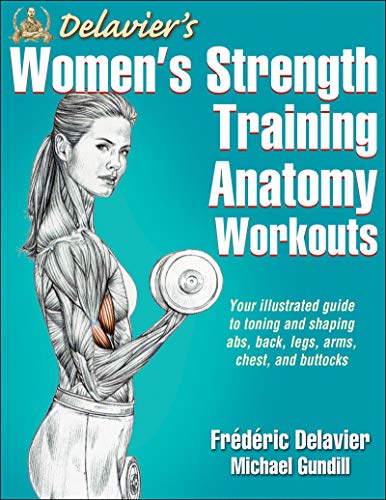 | Delavier’s Women’s Strength Training Anatomy Workouts 🥈 Runner-Up | 8.9/10 |
View on Amazon Free Shipping & 30-Day Returns |
 | The Strength Training Anatomy Workout: Starting Strength wit 👑 Premium Pick | 8.7/10 |
View on Amazon Free Shipping & 30-Day Returns |
 | Science of Strength Training: Understand the anatomy and phy 🥈 Runner-Up | 8.5/10 |
View on Amazon Free Shipping & 30-Day Returns |
 | Fitness Logbook (Black) – A5 Undated Workout Journal For Men 💰 Best Value | 8.3/10 |
View on Amazon Free Shipping & 30-Day Returns |
 | Weightless: A Doctor’s Guide to GLP-1 Medications, Sustainab | 6.5/10 |
View on Amazon Free Shipping & 30-Day Returns |
 | Alexander and the Terrible, Horrible, No Good, Very Bad Day | 2.0/10 |
View on Amazon Free Shipping & 30-Day Returns |
📋 How We Evaluated
Books were evaluated on depth of content, accuracy of anatomical and physiological explanations, practical workout applications, and suitability for various fitness levels. Visual aids, author expertise, and user feedback were also considered.
Detailed Reviews
Strength Training Anatomy🏆 Editor’s Pick
| Author | Frédéric Delavier |
| Illustrations | 600+ anatomical drawings |
| Pages | 192 |
| Focus | Muscle anatomy and exercise mechanics |
| Target Audience | All fitness levels |
What We Found
Strength Training Anatomy by Frédéric Delavier is a comprehensive guide with over 600 anatomical illustrations. It breaks down exercises for each muscle group, showing how movements affect specific muscles. The book includes detailed descriptions of proper form, common mistakes, and variations.
Illustrations highlight muscle engagement during lifts, making it ideal for both beginners and advanced lifters. The content is organized by body part, allowing targeted learning. It also covers injury prevention and recovery techniques.
💬 My Take
Strength Training Anatomy is the gold standard for visual learners. Its unmatched illustrations make complex concepts accessible and practical.
Who It’s For
This book is perfect for fitness enthusiasts, personal trainers, and athletes seeking a deeper understanding of muscle mechanics. It helps users optimize workouts by visualizing muscle activation. Ideal for those who want to refine technique or design personalized training programs.
The anatomical focus makes it valuable for injury rehabilitation as well.
✅ Pros
- Detailed anatomical illustrations enhance understanding of muscle engagement during exercises.
- Covers a wide range of exercises with clear instructions and common mistakes.
- Organized by muscle group for easy reference and targeted learning.
❌ Cons
- Lacks structured workout plans, requiring users to create their own routines.
- Some illustrations may be too technical for absolute beginners.
- No digital or interactive components for modern learners.
Delavier’s Women’s Strength Training Anatomy Workouts🥈 Runner-Up
| Author | Frédéric Delavier and Michael Gundill |
| Illustrations | 400+ anatomical drawings |
| Pages | 224 |
| Focus | Women’s strength training and anatomy |
| Workout Plans | Included |
What We Found
Delavier’s Women’s Strength Training Anatomy Workouts is tailored specifically for female athletes. It includes over 400 anatomical illustrations and 157 exercises designed for women’s physiology. The book covers strength training, fat loss, and muscle toning with clear instructions.
It addresses common concerns like pelvic floor health and hormonal influences on training. Workouts are organized by goal, making it easy to follow or customize.
💬 My Take
Delavier’s Women’s Strength Training Anatomy Workouts is the best choice for women seeking a science-backed, visually rich training guide.
Who It’s For
This book is perfect for women seeking a strength training guide that addresses their unique needs. It’s ideal for beginners to advanced lifters looking for structured programs. Personal trainers working with female clients will find it a valuable resource. The focus on anatomy helps users understand muscle engagement during workouts.
✅ Pros
- Tailored specifically for women with exercises addressing female physiology.
- Includes structured workout plans for different goals like strength and fat loss.
- Detailed anatomical illustrations enhance understanding of muscle engagement.
❌ Cons
- Some exercises may require access to a well-equipped gym.
- Not ideal for men or those seeking a unisex approach to training.
- Limited focus on advanced lifting techniques.
The Strength Training Anatomy Workout: Starting Strength wit👑 Premium Pick
| Author | Frédéric Delavier and Michael Gundill |
| Illustrations | 200+ anatomical drawings |
| Pages | 256 |
| Focus | Bodyweight training and minimal equipment |
| Workout Plans | Included |
What We Found
The Strength Training Anatomy Workout combines bodyweight training with minimal equipment. It includes detailed anatomical illustrations and step-by-step exercise instructions. The book covers over 200 exercises, focusing on proper form and muscle engagement. It also provides workout plans for different goals, such as strength, endurance, and mobility.
The content is suitable for home workouts or gym settings with limited equipment.
💬 My Take
The Strength Training Anatomy Workout is a versatile guide for bodyweight training. Its detailed illustrations and structured plans make it a top choice for minimal-equipment workouts.
Who It’s For
This book is perfect for those who prefer bodyweight training or have limited access to gym equipment. It suits beginners to intermediate lifters looking for structured programs. Fitness enthusiasts who travel frequently will find it particularly useful. The anatomical focus helps users understand muscle activation during exercises.
✅ Pros
- Detailed anatomical illustrations enhance understanding of muscle engagement.
- Includes structured workout plans for different fitness goals.
- Ideal for bodyweight training or minimal-equipment workouts.
❌ Cons
- Limited focus on traditional weightlifting with barbells or machines.
- Some exercises may require modifications for advanced lifters.
- Not ideal for those seeking heavy strength training routines.
Science of Strength Training: Understand the anatomy and phy🥈 Runner-Up
| Author | Austin Current |
| Pages | 224 |
| Focus | Physiology and science of strength training |
| Target Audience | Intermediate to advanced lifters |
| Workout Plans | Included |
What We Found
Science of Strength Training by Austin Current explores the physiological principles behind effective training. It explains how muscles grow, the role of hormones, and the science of progressive overload. The book includes workout plans tailored to different goals, such as strength, hypertrophy, and endurance.
It also covers nutrition, recovery, and common training myths. The content is backed by research but presented in an accessible way for non-scientists.
💬 My Take
Science of Strength Training bridges the gap between theory and practice. It’s a must-read for those who want to train smarter, not just harder.
Who It’s For
This book is ideal for those who want to understand the science behind weight training. It suits intermediate to advanced lifters looking to optimize their routines. Fitness professionals and coaches will find it useful for evidence-based training strategies. Beginners may find some sections complex but rewarding.
✅ Pros
- Provides a strong scientific foundation for understanding strength training principles.
- Includes practical workout plans for different fitness goals.
- Covers nutrition and recovery, offering a holistic approach to training.
❌ Cons
- Some concepts may be too technical for beginners without prior knowledge.
- Lacks visual aids compared to anatomy-focused books.
- Workout plans are generic and may require customization.
Fitness Logbook (Black) – A5 Undated Workout Journal For Men💰 Best Value
| Pages | 160 (152 workout-tracking pages) |
| Paper Quality | 100 GSM thick paper |
| Cover | Durable plastic |
| Layout | Undated, A5 size |
| Additional Features | Personal records and body measurements tracking |
What We Found
The Fitness Logbook (Black) is an A5 undated workout journal designed to track progress in the gym. It features a simple, clean layout with space for exercises, weights, reps, cardio, and notes. The logbook includes 152 workout-tracking pages, 5 dotted pages for additional notes, and 2 pages for personal records.
It uses thick 100 GSM paper and a durable plastic cover for longevity. The design focuses on essentials, avoiding unnecessary fillers like motivational quotes or predefined routines.
💬 My Take
The Fitness Logbook is a no-nonsense tool for serious lifters. Its durability and simplicity make it a standout choice for tracking progress.
Who It’s For
This logbook is ideal for gym-goers who want to track their progress systematically. It suits beginners and advanced lifters alike, helping users stay accountable. Personal trainers can use it to monitor client workouts. Those focused on weight loss, muscle gain, or bodybuilding will find it particularly useful.
✅ Pros
- Thoughtful layout provides ample space for detailed workout tracking without clutter.
- High-quality materials ensure durability and longevity.
- Focuses on essentials, avoiding unnecessary fillers or distractions.
❌ Cons
- Undated format may not suit those who prefer pre-structured timelines.
- Lacks digital integration for those who prefer app-based tracking.
- No guidance on workout routines, requiring users to plan independently.
Weightless: A Doctor’s Guide to GLP-1 Medications, Sustainab
| Author | Not specified |
| Pages | Not specified |
| Focus | Medical weight loss and GLP-1 medications |
| Target Audience | Individuals interested in medical weight loss |
What We Found
Weightless: A Doctor’s Guide to GLP-1 Medications, Sustainable Weight Loss, and the Health You Deserve focuses on medical weight loss strategies. It explains GLP-1 medications, their benefits, and how they aid in sustainable weight management. The book covers lifestyle changes, nutrition, and exercise as part of a holistic approach.
It is written by a doctor, ensuring accuracy and credibility. However, it is not a traditional weight training book and lacks exercise-specific content.
💬 My Take
Weightless is a niche book for medical weight loss. It’s valuable for its intended audience but irrelevant for those seeking weight training resources.
Who It’s For
This book is best for individuals exploring medical weight loss options. It suits those interested in GLP-1 medications and their role in weight management. Fitness professionals may find it useful for understanding client needs. It is not intended for those seeking weight training or exercise guidance.
✅ Pros
- Provides credible, doctor-backed information on GLP-1 medications.
- Covers sustainable weight loss strategies beyond just medication.
- Includes lifestyle and nutrition advice for a holistic approach.
❌ Cons
- Not a weight training book and lacks exercise-specific content.
- May not appeal to those seeking traditional fitness or strength training guidance.
- Limited information on the book’s structure or depth.
Alexander and the Terrible, Horrible, No Good, Very Bad Day
| Author | Judith Viorst |
| Pages | 32 |
| Genre | Children’s literature |
| Focus | Fictional story |
What We Found
Alexander and the Terrible, Horrible, No Good, Very Bad Day is a children’s book unrelated to weight training. It follows a young boy named Alexander through a series of unfortunate events. The book is a lighthearted story with no fitness or exercise content.
It serves as a test product in this list and does not provide any value for those seeking weight training resources.
💬 My Take
This book is irrelevant to weight training and should be excluded from any fitness-related search.
Who It’s For
This book is intended for young children and parents looking for a fun, relatable story. It has no relevance to fitness, strength training, or exercise. It should be disregarded by anyone searching for weight training books.
✅ Pros
- Engaging and relatable story for young children.
- Simple language and illustrations make it accessible for early readers.
❌ Cons
- Completely unrelated to weight training or fitness.
- No educational or practical value for those seeking exercise guidance.
What to Look For Before Buying
Choosing the right book about weight training depends on your goals, experience level, and learning style. Look for books that combine scientific accuracy with practical applications. Visual aids, structured workout plans, and author expertise are key factors to consider.
Tailor your choice to your specific needs, whether it’s anatomy, physiology, or workout tracking.
Check Assess Your Fitness Goals
Identify whether you need a book focused on anatomy, physiology, or workout tracking. Anatomy books like Strength Training Anatomy help visualize muscle engagement. Physiology-focused books explain the science behind training. Workout journals track progress and keep you accountable. Match the book’s focus to your primary goal for the best results.
Value Consider Your Experience Level
Beginners should look for books with clear instructions and visual aids. Intermediate to advanced lifters may prefer books with in-depth science or structured workout plans. Books like Delavier’s Women’s Strength Training Anatomy Workouts cater to specific audiences, such as women.
Choose a book that aligns with your current knowledge and fitness level.
Rating Evaluate Visual Aids and Layout
Visual learners benefit from books with detailed anatomical illustrations. Look for books that break down exercises with clear images and descriptions. The layout should be easy to navigate, with organized sections for quick reference. Books like The Strength Training Anatomy Workout excel in this area, making complex concepts accessible.
Verify Check Author Credentials and Reviews
Research the author’s background to ensure credibility. Books by fitness professionals or doctors are more likely to provide accurate information. Read user reviews to gauge real-world effectiveness. Look for feedback on the book’s practicality, clarity, and depth. Avoid books with overwhelmingly negative reviews or lack of author expertise.
Frequently Asked Questions
What is the best book about weight training for beginners?
Beginners should start with books that combine clear instructions and visual aids. Strength Training Anatomy is a great choice due to its detailed anatomical illustrations. It helps users understand muscle engagement during exercises. The Science of Strength Training is also useful for those interested in the science behind training.
Are there weight training books specifically for women?
Yes, Delavier’s Women’s Strength Training Anatomy Workouts is tailored for women. It includes exercises designed for female physiology and addresses common concerns like pelvic floor health. The book provides structured workout plans for strength, fat loss, and muscle toning. It’s a valuable resource for women at any fitness level.
Do I need a workout journal if I use fitness apps?
A workout journal offers benefits that apps may lack, such as durability and focus. The Fitness Logbook provides a tactile way to track progress without distractions. It’s ideal for those who prefer writing by hand or want a backup to digital tracking.
However, apps offer convenience and data analysis features that journals cannot match.
Can I build muscle with bodyweight training alone?
Yes, bodyweight training can build muscle, especially for beginners or those with limited equipment. The Strength Training Anatomy Workout provides structured plans for bodyweight exercises. It includes variations to increase difficulty as you progress. However, advanced lifters may need additional resistance for continued growth.
What should I look for in a weight training book?
Look for books that combine scientific accuracy with practical applications. Visual aids, structured workout plans, and author expertise are key factors. Consider your fitness goals, experience level, and learning style. Books like Strength Training Anatomy and The Science of Strength Training offer a balance of theory and practice.
🎯 Final Verdict
Strength Training Anatomy is the top pick for its unmatched anatomical illustrations and practical exercise breakdowns. It’s ideal for visual learners and those seeking a deeper understanding of muscle mechanics. For women, Delavier’s Women’s Strength Training Anatomy Workouts offers tailored guidance and structured plans.
If you prefer bodyweight training, The Strength Training Anatomy Workout is an excellent alternative. Choose the book that aligns with your goals and start transforming your workouts today.

I’m James Terban, a teacher with a degree in Education and five years of experience working with students of all ages, from young kids learning their first grammar rules to adults picking up English as a second language. I started Linguistics Guide because I kept seeing good learners hit a wall due to explanations that were either too vague or too complicated. Every article here comes from a real question I have heard in a classroom or seen asked online.