
Understanding the nuances of vowel sounds is crucial for mastering English pronunciation and comprehension. Among these, the short and long “u” sounds often pose a challenge for learners.
This article provides a detailed exploration of these sounds, offering clear definitions, examples, usage rules, and practice exercises. Whether you’re a beginner or an advanced learner, this guide will equip you with the knowledge and skills to confidently distinguish and use short and long “u” sounds in English.
By delving into the phonetics of these sounds, exploring their various spellings, and practicing with numerous examples, you’ll gain a solid foundation for accurate pronunciation and improved communication. This comprehensive guide is designed to be both informative and practical, making it an invaluable resource for anyone seeking to enhance their English language proficiency.
Off to College Deals

Save up to 30% on everything you need for the semester.
Contains affiliate link
Table of Contents
- Introduction
- Definition of Short and Long U Sounds
- Structural Breakdown
- Types and Categories
- Examples of Short and Long U Words
- Usage Rules
- Common Mistakes
- Practice Exercises
- Advanced Topics
- FAQ
- Conclusion
Definition of Short and Long U Sounds

The English language features two primary pronunciations of the letter “u”: the short “u” sound and the long “u” sound. These sounds differ significantly in their articulation and phonetic representation, and understanding this difference is essential for clear and accurate pronunciation.
Short U Sound (ʌ)
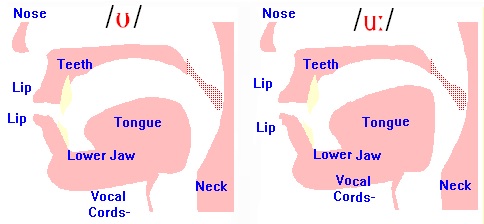
The short “u” sound, often represented phonetically as /ʌ/, is a vowel sound that is typically pronounced with the tongue in a low, central position in the mouth. The lips are usually relaxed. It is similar to the “uh” sound.
Examples of words with the short “u” sound include “cup,” “sun,” “butter,” and “under.”
To strengthen pronunciation skills, learners should focus on words with short u, as these examples illustrate the short u sound in various contexts. Practicing these words regularly helps distinguish this vowel from similar sounds and improves clarity in both speaking and listening. It is important to note that this sound can sometimes also be represented by the letter “o,” as in the word “son.”
Long U Sound (juː)
The long “u” sound, often represented phonetically as /juː/, is a diphthong, meaning it is a combination of two vowel sounds. It begins with a “y” sound (/j/) followed by a longer “oo” sound (/uː/).
Young Adults & Students:
Get 6 Months of Prime for $0

Ages 18-24 unlock exclusive perks including:
Contains affiliate link
Examples of words with the long “u” sound include “use,” “cute,” “music,” and “universe.” Understanding the long u sound is just as important as mastering the short variant. Comparing the long u vs short u pronunciation in minimal pairs, such as “cube” vs “cub” or “cute” vs “cut,” helps learners recognize subtle differences and prevents common mispronunciations.
In some cases, the long “u” sound can also be represented by the “oo” spelling, as in the word “moon,” although this is typically represented phonetically as /uː/ without the preceding /j/ sound.
Structural Breakdown
To understand the short and long “u” sounds effectively, it’s important to examine their phonetic representation and common spelling patterns. These elements provide a structural framework for recognizing and producing these sounds accurately.
Phonetic Representation
Phonetics provides a standardized system for representing sounds. The International Phonetic Alphabet (IPA) is commonly used to transcribe the short and long “u” sounds. The short “u” is represented as /ʌ/, while the long “u” is represented as /juː/. Understanding these symbols allows learners to accurately identify and pronounce these sounds, regardless of their spelling.
Spelling Patterns
The spelling of a word can often provide clues about its pronunciation, but English spelling can be inconsistent. However, some common patterns can help identify the short and long “u” sounds.
- Short U: Typically found in words with a single “u” in a closed syllable (a syllable ending in a consonant), such as “cut,” “bus,” and “luck.”
- Long U: Often found in words where “u” is followed by a silent “e” (e.g., “cube,” “mute,” and “lute”) or in words with the “ui” or “ue” digraphs (e.g., “fruit,” “blue”).
Types and Categories
The pronunciation of the “u” sound can be influenced by various factors, including stress patterns and regional accents. Understanding these variations is crucial for developing a comprehensive understanding of the “u” sound.
Stressed and Unstressed Syllables
The stress pattern of a word can affect the pronunciation of the “u” sound. In stressed syllables, the “u” sound is typically pronounced more clearly and distinctly. In unstressed syllables, the “u” sound may be reduced to a schwa sound (/ə/), a neutral vowel sound similar to the “a” in “about.” For example, in the word “support,” the first syllable is unstressed, and the “u” sound may be pronounced as a schwa.
Regional Variations
Like many English sounds, the pronunciation of the “u” sound can vary across different regions. For example, in some dialects, the short “u” sound may be pronounced closer to the “uh” sound, while in others, it may be closer to the “oo” sound. Similarly, the long “u” sound may be pronounced with a more or less pronounced “y” sound depending on the region. Being aware of these variations can help learners better understand and adapt to different English accents.
Examples of Short and Long U Words
For learners aiming to master English vowel sounds, having a long and short u words list is a practical tool. Comparing long and short u words side by side, such as “cub” (short u) versus “cube” (long u), allows for visual reinforcement of pronunciation rules.
By studying these lists, learners can identify patterns in spelling, recognize common exceptions, and practice correct articulation. Regular review of these word lists, combined with listening exercises, strengthens auditory discrimination and helps avoid confusion between the two sounds in everyday speech.
To solidify your understanding of the short and long “u” sounds, let’s examine a variety of examples organized into tables for easy reference.
Short U Examples
The following table provides a list of words featuring the short “u” sound (/ʌ/):
| Word | Pronunciation | Example Sentence |
|---|---|---|
| but | /bʌt/ | I wanted to go, but I was too busy. |
| cup | /kʌp/ | She drank tea from a cup. |
| sun | /sʌn/ | The sun is shining brightly today. |
| under | /ˈʌndər/ | The cat is hiding under the table. |
| luck | /lʌk/ | I wish you good luck on your exam. |
| truck | /trʌk/ | The truck was carrying heavy cargo. |
| stuck | /stʌk/ | The car got stuck in the mud. |
| much | /mʌtʃ/ | Thank you very much. |
| dust | /dʌst/ | There was a layer of dust on the furniture. |
| trust | /trʌst/ | I trust my friends completely. |
| brush | /brʌʃ/ | She used a brush to style her hair. |
| crush | /krʌʃ/ | He had a crush on her in high school. |
| drum | /drʌm/ | The drummer played a loud drum solo. |
| plum | /plʌm/ | She ate a juicy plum for dessert. |
| shrug | /ʃrʌɡ/ | He gave a shrug when I asked him. |
| slug | /slʌɡ/ | The garden was infested with slugs. |
| thrush | /θrʌʃ/ | The doctor diagnosed her with thrush. |
| trough | /trɒf/ | The animals drank from the water trough. |
| rung | /rʌŋ/ | He climbed up the ladder, one rung at a time. |
| sung | /sʌŋ/ | The choir sung beautifully at the concert. |
| among | /əˈmʌŋ/ | She felt comfortable among her friends. |
| enough | /ɪˈnʌf/ | I don’t have enough money to buy that. |
| subtle | /ˈsʌtl/ | There was a subtle difference between the two colors. |
Long U Examples
The following table provides a list of words featuring the long “u” sound (/juː/):
| Word | Pronunciation | Example Sentence |
|---|---|---|
| use | /juːz/ | I use my computer every day. |
| cute | /kjuːt/ | That puppy is so cute! |
| music | /ˈmjuːzɪk/ | I love listening to classical music. |
| universe | /ˈjuːnɪvɜːrs/ | The universe is vast and mysterious. |
| fuse | /fjuːz/ | The electrical fuse blew during the storm. |
| mule | /mjuːl/ | The farmer used a mule to plow the field. |
| pure | /pjʊər/ | The mountain air was fresh and pure. |
| cure | /kjʊər/ | The doctor hopes to find a cure for the disease. |
| lure | /lʊər/ | The advertisement was designed to lure customers. |
| rude | /ruːd/ | It’s rude to interrupt someone when they’re speaking. |
| tube | /tjuːb/ | The toothpaste comes in a tube. |
| nude | /njuːd/ | The artist painted a nude portrait. |
| huge | /hjuːdʒ/ | The building was huge and impressive. |
| refuse | /rɪˈfjuːz/ | They decided to refuse the offer. |
| perfume | /ˈpɜːrfjuːm/ | She wore an expensive perfume. |
| rescue | /ˈreskjuː/ | The firefighters came to rescue the trapped people. |
| statue | /ˈstætʃuː/ | The park had a beautiful statue in the center. |
| avenue | /ˈævənjuː/ | The parade marched down the main avenue. |
| continue | /kənˈtɪnjuː/ | Please continue your story. |
| value | /ˈvæljuː/ | We value your opinion. |
| argue | /ˈɑːrɡjuː/ | They began to argue about politics. |
| tissue | /ˈtɪʃuː/ | Can I have a tissue, please? |
| issue | /ˈɪʃuː/ | We need to discuss this important issue. |
Here is a table of words that use the /uː/ sound. Notice that while it is still a long U sound, it does not have a /j/ sound before it.
| Word | Pronunciation | Example Sentence |
|---|---|---|
| blue | /bluː/ | The sky is blue today. |
| clue | /kluː/ | The detective followed a clue. |
| glue | /ɡluː/ | We used glue to stick the pieces together. |
| true | /truː/ | Is this story true? |
| fruit | /fruːt/ | I like to eat fruit for breakfast. |
| suit | /suːt/ | He wore a dark suit to the meeting. |
| juice | /dʒuːs/ | She drank a glass of orange juice. |
| cruise | /kruːz/ | They went on a Caribbean cruise. |
| bruise | /bruːz/ | He got a bruise on his leg. |
| recruit | /rɪˈkruːt/ | The company is trying to recruit new employees. |
| group | /ɡruːp/ | The students worked together in a group. |
| soup | /suːp/ | She made a bowl of chicken soup. |
| troop | /truːp/ | The soldiers marched in a troop. |
| youth | /juːθ/ | The program is designed to help youth succeed. |
| smooth | /smuːð/ | The surface of the table was smooth. |
| proof | /pruːf/ | Do you have any proof of your claim? |
| booth | /buːθ/ | They set up a booth at the fair. |
| tooth | /tuːθ/ | He brushed his teeth every morning. |
| soothe | /suːð/ | The music helped to soothe her nerves. |
| loose | /luːs/ | The dog was running loose in the park. |
Usage Rules
While spelling patterns can be helpful, there are specific rules that govern the use of short and long “u” sounds. Understanding these rules can improve pronunciation accuracy.
General Rules for Short U
The short “u” sound typically occurs in the following situations:
- Closed Syllables: When the letter “u” is in a closed syllable (a syllable ending in a consonant), it is usually pronounced as a short “u.” Examples: “cut,” “run,” “bus.”
- Single “u” in a Word: When a word has only one “u” and it is not followed by a silent “e,” it is often pronounced as a short “u.” Examples: “up,” “sun,” “truck.”
General Rules for Long U
The long “u” sound typically occurs in the following situations:
- “u” followed by Silent “e”: When the letter “u” is followed by a consonant and then a silent “e,” it is usually pronounced as a long “u.” Examples: “cube,” “mute,” “fuse.”
- “ui” and “ue” Digraphs: Words with the “ui” or “ue” digraphs often have a long “u” sound. Examples: “fruit,” “blue,” “suit.”
Exceptions to the Rules
As with many aspects of English grammar, there are exceptions to these rules. For example, the word “bury” is spelled with a “u” but is pronounced with a short “e” sound (/ˈberi/). Similarly, the word “busy” is pronounced with a short “i” sound (/ˈbɪzi/). These exceptions highlight the importance of learning individual word pronunciations and not relying solely on spelling rules.
Another common exception arises with words ending in “-ure”. While these often have a /jʊər/ pronunciation (e.g., “cure,” “pure”), some, like “figure,” use a short “i” sound (/ˈfɪɡjər/), a subtle variation that can be tricky for learners.
Common Mistakes
Learners often make common mistakes when pronouncing short and long “u” sounds. Being aware of these mistakes can help you avoid them and improve your pronunciation.
| Incorrect Pronunciation | Correct Pronunciation | Word | Explanation |
|---|---|---|---|
| /kʌt/ (short u) | /kjuːt/ (long u) | cute | Mispronouncing the long “u” as a short “u” changes the meaning of the word. |
| /juːs/ (long u) | /ʌs/ (short u) | us | Mispronouncing “us” with a long /uː/ sound instead of the short /ʌ/ sound makes it sound like the word “use”. |
| /bʌs/ (short u) | /bjuːs/ (long u) | bus | Saying /bjuːs/ instead of /bʌs/. The long U pronunciation is incorrect for this word. |
| /frʌt/ (short u) | /fruːt/ (long u) | fruit | The digraph “ui” usually indicates the long /uː/ sound, not the short /ʌ/ sound. |
Another common mistake is confusing the schwa sound (/ə/) with the short “u” sound (/ʌ/) in unstressed syllables. For example, in the word “supply,” the first syllable is unstressed, and the “u” sound may be reduced to a schwa. Learners sometimes mispronounce this as a short “u” sound.
Practice Exercises
To reinforce your understanding of the short and long “u” sounds, complete the following practice exercises.
Exercise 1: Identifying Short and Long U Sounds
Identify whether the underlined “u” sound in each word is short or long.
| Word | Short or Long |
|---|---|
| cup | |
| cute | |
| sun | |
| music | |
| bus | |
| fruit | |
| luck | |
| refuse | |
| truck | |
| blue |
Answer Key:
| Word | Short or Long |
|---|---|
| cup | Short |
| cute | Long |
| sun | Short |
| music | Long |
| bus | Short |
| fruit | Long |
| luck | Short |
| refuse | Long |
| truck | Short |
| blue | Long |
Exercise 2: Minimal Pairs
Listen to the following pairs of words and identify whether they sound the same or different. (Note: This exercise is best done with audio, but you can approximate the pronunciation to test your knowledge.)
| Pair | Same or Different |
|---|---|
| cut / cute | |
| bus / use | |
| luck / Luke | |
| sun / soon | |
| rut / root |
Answer Key:
| Pair | Same or Different |
|---|---|
| cut / cute | Different |
| bus / use | Different |
| luck / Luke | Different |
| sun / soon | Different |
| rut / root | Different |
Exercise 3: Sentence Completion
Choose the correct word with either the short or long “u” sound to complete each sentence.
| Sentence | Options | Correct Word |
|---|---|---|
| I need a ____ of coffee. | cup / cube | |
| The puppy is very ____. | cut / cute | |
| The ____ is shining brightly. | sun / soon | |
| I like to listen to ____. | mussing / music | |
| I take the ____ to work. | bus / blues | |
| This is fresh ____ from the garden. | fruit / frute | |
| I hope I have good ____ on my test. | luck / luke | |
| Can you ____ to answer my questions? | refuse / reffuss | |
| The ____ was carrying a heavy load. | truck / truce | |
| The sky is ____. | blue / blute |
Answer Key:
| Sentence | Options | Correct Word |
|---|---|---|
| I need a ____ of coffee. | cup / cube | cup |
| The puppy is very ____. | cut / cute | cute |
| The ____ is shining brightly. | sun / soon | sun |
| I like to listen to ____. | mussing / music | music |
| I take the ____ to work. | bus / blues | bus |
| This is fresh ____ from the garden. | fruit / frute | fruit |
| I hope I have good ____ on my test. | luck / luke | luck |
| Can you ____ to answer my questions? | refuse / reffuss | refuse |
| The ____ was carrying a heavy load. | truck / truce | truck |
| The sky is ____. | blue / blute | blue |
Advanced Topics
For advanced learners, delving into the nuances of the schwa sound and the influence of neighboring sounds can further refine pronunciation skills.
The Schwa Sound and Unstressed U
The schwa sound (/ə/) is the most common vowel sound in English and often appears in unstressed syllables. The letter “u” can sometimes be reduced to a schwa in unstressed positions. For example, in the word “succinct,” the first syllable is unstressed, and the “u” is pronounced as a schwa. Recognizing and accurately pronouncing the schwa sound is crucial for natural-sounding English.
Influence of Neighboring Sounds
The pronunciation of the “u” sound can also be influenced by the sounds that surround it. For example, the “r” sound can affect the pronunciation of “u.” In words like “hurt” and “turn,” the “u” sound is neither a short “u” nor a long “u” but a distinct sound influenced by the “r.” Similarly, the “l” sound can alter the pronunciation of “u” in words like “blue” and “flute.”
FAQ
What is the difference between the short “u” and long “u” sounds?
The short “u” sound (/ʌ/) is a vowel sound similar to the “uh” sound, while the long “u” sound (/juː/) is a diphthong consisting of a “y” sound followed by a longer “oo” sound. The short “u” is found in words like “cup” and “sun,” while the long “u” is found in words like “use” and “cute.”
How can I tell if a word has a short or long “u” sound?
Look for common spelling patterns. Short “u” often appears in closed syllables (e.g., “cut,” “bus”), while long “u” often appears when “u” is followed by a silent “e” (e.g., “cube,” “mute”) or in words with “ui” or “ue” digraphs (e.g., “fruit,” “blue”). However, be aware of exceptions and listen carefully to the pronunciation.
Is the long “u” sound always pronounced the same way?
No, the long “u” sound can have some variation. In some words, it is pronounced as /juː/, with a clear “y” sound before the “oo” sound (e.g., “use,” “cute”). In other words, it is pronounced as /uː/, without the preceding “y” sound (e.g., “blue,” “fruit”).
What is the schwa sound, and how does it relate to the “u” sound?
The schwa sound (/ə/) is the most common vowel sound in English and often appears in unstressed syllables. The letter “u” can sometimes be reduced to a schwa in unstressed positions. For example, in the word “support,” the first syllable is unstressed, and the “u” sound may be pronounced as a schwa.
Are there regional variations in the pronunciation of the “u” sound?
Yes, like many English sounds, the pronunciation of the “u” sound can vary across different regions. In some dialects, the short “u” sound may be pronounced closer to the “uh” sound, while in others, it may be closer to the “oo” sound. Similarly, the long “u” sound may be pronounced with a more or less pronounced “y” sound depending on the region.
How can I improve my pronunciation of short and long “u” sounds?
Practice regularly with minimal pairs, listen to native speakers, and pay attention to the spelling patterns of words. Record yourself speaking and compare your pronunciation to that of native speakers. Focus on the position of your tongue and lips when producing the sounds.
Why is it important to learn the difference between short and long “u” sounds?
Distinguishing between short and long “u” sounds is crucial for clear and accurate pronunciation, which is essential for effective communication. Mispronouncing these sounds can lead to misunderstandings and confusion.
Are there any online resources that can help me practice these sounds?
Yes, many online resources can help you practice short and long “u” sounds, including pronunciation websites, online dictionaries with audio pronunciations, and language learning apps. Look for resources that provide minimal pair exercises and opportunities to record and compare your pronunciation.
Conclusion
Mastering the short and long “u” sounds is a significant step towards improving your English pronunciation and comprehension. By understanding the definitions, structural breakdown, usage rules, and common mistakes associated with these sounds, you can confidently distinguish and use them in your everyday communication.
Remember to practice regularly, pay attention to spelling patterns, and listen carefully to native speakers. With consistent effort and focused practice, you can overcome the challenges posed by these sounds and achieve greater fluency and accuracy in your English pronunciation. Use the examples and exercises provided in this guide as a starting point for your continued learning journey.

I’m James Terban, a teacher with a degree in Education and five years of experience working with students of all ages, from young kids learning their first grammar rules to adults picking up English as a second language. I started Linguistics Guide because I kept seeing good learners hit a wall due to explanations that were either too vague or too complicated. Every article here comes from a real question I have heard in a classroom or seen asked online.